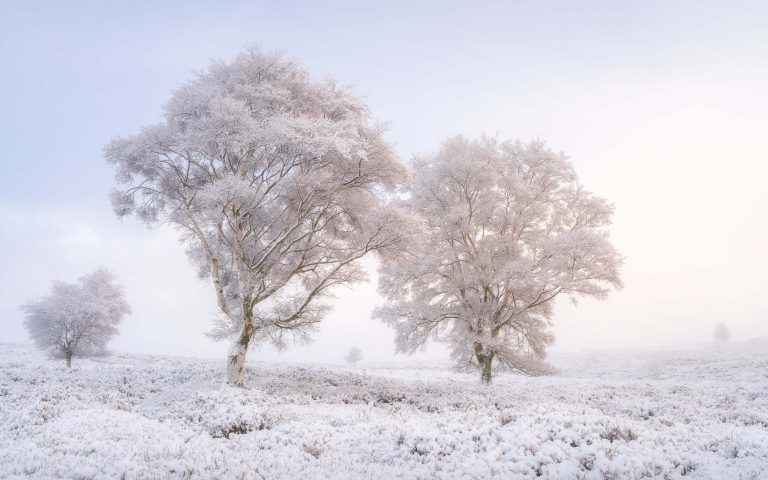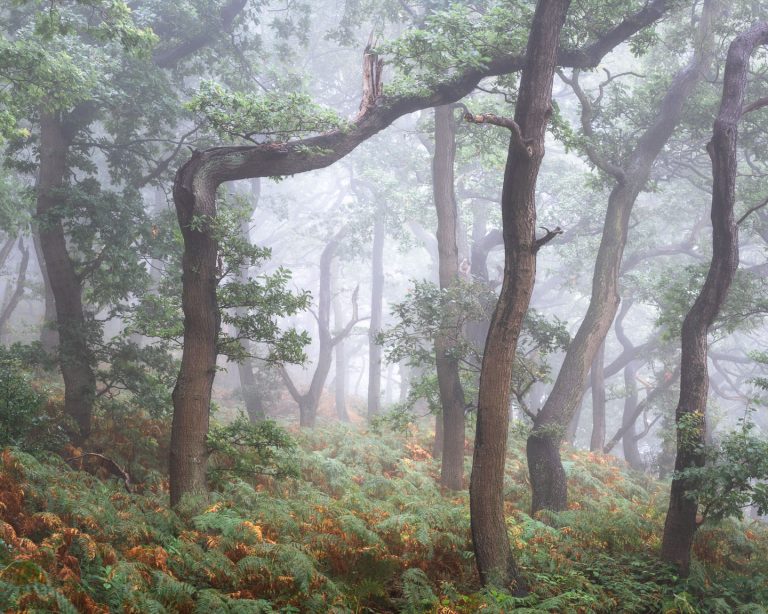



Earth Day is a valuable reminder of the scale and urgency of the environmental challenges we face. It is also an opportunity to celebrate the beauty and majesty of the natural world, to share our passion for it and to encourage others to care.
Those two things need not be separate. We can be honest about what is being damaged or lost while continuing to share the experiences that make the natural world so precious to us.
This matters to me as a photographer. Our photographs and words can inform people, but they can also influence how somebody sees and behaves towards a place. Positivity does not mean ignoring difficult realities. It means making room for hope, wonder and the possibility of meaningful action alongside them.
Small acts deserve to be seen
I have spoken before about some of the practical steps photographers can take, such as following the Nature First principles and supporting woodland restoration through projects such as Meg’s Grove. Those actions are important, but so is the encouragement we give to other people who are trying to make a positive difference.
While walking Meg along the footpaths close to home, I once spotted one of the “litter angels” who regularly visits our area. That is the name I give to the wonderful people who use their spare time to tidy our pathways and clean up after less considerate visitors.
I made a point of stopping to thank her. The path she had just cleared might have had another empty bottle lying beside it the following day, but that did not make her effort worthless. She had made the place better and reminded everyone who passed that somebody cared for it.
Not everyone can devote their evenings to collecting litter, nor would that be expected. We can still acknowledge the people who do, tell them that their efforts are noticed and perhaps pick up the occasional bottle or wrapper as we pass. Small gestures will not solve everything, but neither are they insignificant.

Encouragement is an action too
Many of us follow photographers, naturalists and conservationists who are trying to encourage behaviour that is more closely aligned with nature’s needs. When somebody shares something thoughtful, it is worth taking a moment to leave a few words of encouragement, join the discussion or simply say thank you.
Those people may carry on regardless because they genuinely care, but encouragement helps sustain them. We can choose to give more of our attention to work that is thoughtful and important, rather than allowing the loudest or most immediately eye-catching posts to dominate every conversation.
Just as important as what we openly discuss is the behaviour that other people observe in us. I believe we can inspire change implicitly through how we act in the landscape, how we interact with other people and the language we use when talking about the places and subjects we love.
I have spent years sharing my enthusiasm for woodland photography through films, photographs and writing, while continuing to become excited by many of the same woods and trees close to home. I rarely turn my films into direct discussions about environmental concerns because I also want them to offer somewhere to escape, relax and feel good about the world. That does not represent an absence of care. Celebration can itself be a form of communication.
Seeing somebody repeatedly finding fascination in an ordinary local woodland may encourage another person to look more closely at the nature around them. They might begin their own photographic journey, learn about the places they visit and gradually develop a deeper respect for them.
Awareness of environmental issues remains essential, but sharing our passion can open a different door. It allows people to discover, engage with and learn about nature in a way that matters personally to them. I believe that sense of personal connection—and the opportunity to find one’s own way into nature—is fundamental to lasting care.

Curiosity creates connection
My friend Lucy Lapwing is a wonderful example of somebody who communicates a deep concern for nature through sheer enthusiasm. Her infectious delight extends from the smallest critter to the funkiest fungi and the sound of the first willow warbler in spring.
Much of that passion is born from knowledge, and that knowledge begins with curiosity. The more closely we look, the more there is to discover. A woodland is no longer simply a collection of trees but a complex community of plants, fungi, animals, changing seasons and countless relationships that are easy to overlook.
Immersing ourselves in the places we photograph can provide endless fascination and richer experiences. The empathy that grows through learning can also have a positive effect on both our enjoyment of photography and the photographs we make.
Once we begin to recognise the magic beyond the edge of the frame, it becomes difficult not to share it. Enthusiasm is contagious, particularly when it feels genuine. Our excitement might encourage the next person to stop, look more closely and begin asking questions of their own.

Share the reasons you care
One spring morning I spent two and a half hours in a local woodland filled with birdsong, the scent of wildflowers and the gentle sound of a stream. I saw a woodpecker and roe deer, absorbed the atmosphere and returned home feeling energised, fulfilled and thankful.
Experiences like that continually renew my appreciation of the natural world. They remind me that care does not grow only from being told what is wrong. It can also emerge from an encounter that makes us feel fortunate, curious or quietly amazed.
On Earth Day—and throughout the rest of the year—we can share those experiences with joy, passion, kindness and humour. We can offer encouragement and gratitude to the people who inspire our own journeys. We can also direct more of our attention towards photography that is thoughtful, meaningful and informed by genuine love and respect for the very things we devote our lives to photographing.
A positive message cannot solve the ecological crisis by itself. But care grows through attention, knowledge, connection and example, and photography has the capacity to nurture all four. If our work encourages even one person to look more closely, behave more thoughtfully or appreciate a familiar place in a new way, then it has achieved something of real value beyond the frame.